To ensure a trauma-informed approach, an ABA center’s policy should strictly limit restraint to emergency safety situations involving imminent physical danger. A trauma-informed center prioritizes Functional Communication Training (FCT) and environmental modifications over physical intervention, maintaining a seclusion-free environment where children are never left alone in a locked room. Evaluating these policies requires parents to look for specific language regarding de-escalation, parent notification, and the total elimination of seclusion practices.
Understanding Restraint and Seclusion in Modern Therapy
Before visiting a clinic, it is vital to understand what these terms mean in a clinical setting. Restraint involves any physical method of restricting a child’s freedom of movement or normal access to their body. Seclusion is the involuntary confinement of a child alone in a room or area from which they are physically prevented from leaving. When families look for Phoenix ABA therapy, they often assume these practices are a standard part of behavior management, but modern, ethical providers treat them as absolute last resorts used only for safety.
The Red Flags vs. Green Flags Checklist
When reviewing a handbook or interviewing a clinical director, use the following points to differentiate between a compliance-based center and a trauma-informed center. During a recent audit for a family in Arcadia, we highlighted that a center’s willingness to be transparent about these policies is the first sign of a healthy clinical culture.
- Green Flag: The center uses a recognized, non-violent crisis intervention curriculum such as PCM or CPI.
- Red Flag: The policy mentions “quiet rooms” or “blue rooms” that are used as a consequence for non-compliance.
- Green Flag: Parents are notified immediately every single time a physical hold is used, followed by a formal written report.
- Red Flag: The policy allows for “prone restraint” (placing a child face down), which is physically dangerous and psychologically scarring.
- Green Flag: The facility has an open-door policy where parents can observe sessions at any time.
3 Essential Questions for the Clinical Director
Your best tool as a parent is direct inquiry. You have the right to know exactly how your child will be treated during their most vulnerable moments. Many parents in Desert Ridge have found that asking these questions helps them feel more confident when selecting ABA therapy in Phoenix.
- What de-escalation steps must be taken before physical contact is allowed? A trauma-informed provider will list several steps, such as sensory breaks, offering choices, and environmental changes, before even considering a physical lead.
- Do you have a strict no-seclusion policy? Seclusion has no place in modern therapy. Ensure the center explicitly states that children are never left alone in a room or prevented from leaving a space as punishment.
- How do you debrief after a crisis to prevent it from happening again? The goal should always be to identify the “trigger” and adjust the environment or the child’s communication tools so the behavior does not recur.
Applying our Children’s Specialized ABA to Solve This
At the core of our practice is Children’s Specialized ABA, a proprietary methodology that provides Applied Behavior Analysis (ABA) therapy and autism support services for children. Our ABA therapy programs are designed to improve communication, social skills, and learning abilities by identifying the root cause of a behavior rather than simply trying to stop it through force. We believe that when a child has the tools to express themselves, the need for restrictive interventions disappears.
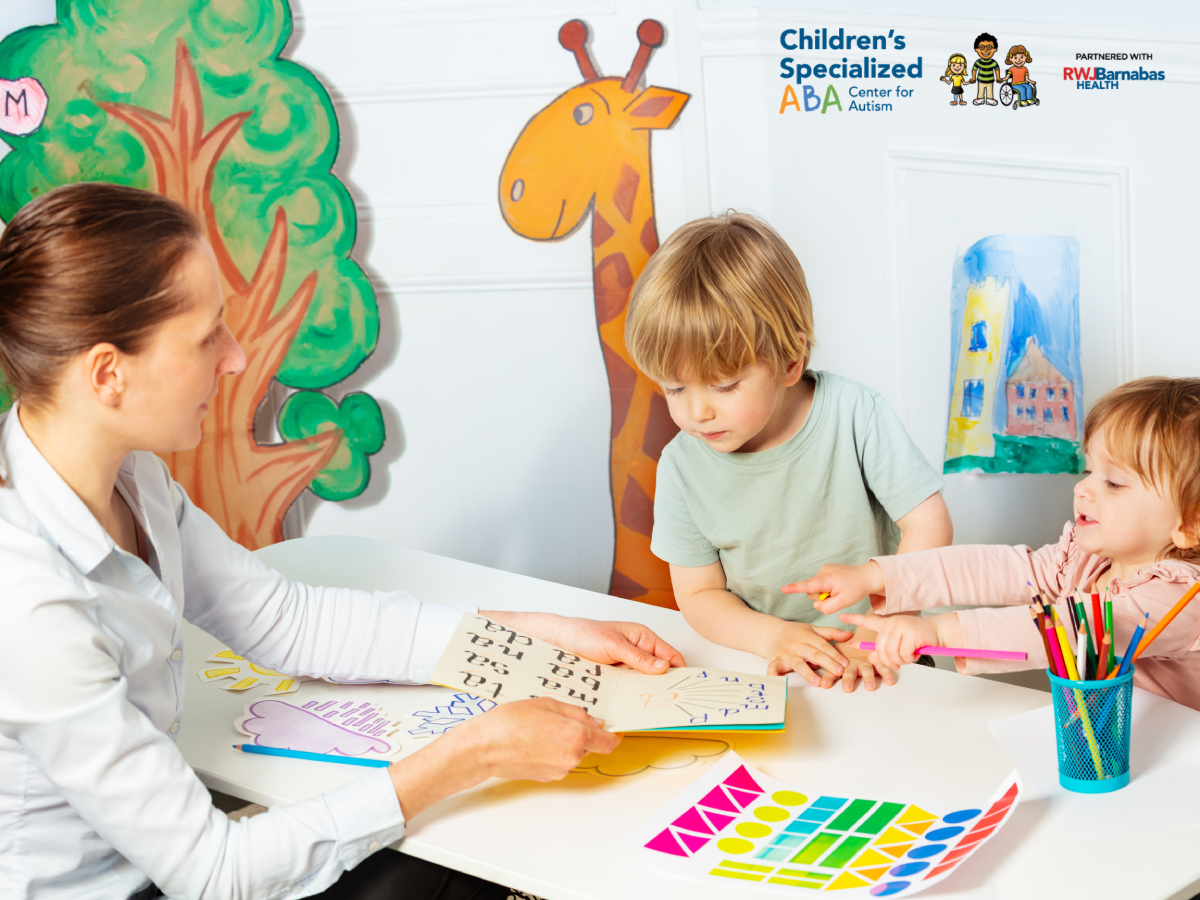
Our services are tailored to meet each child’s unique developmental needs and goals through a whole-child autism care approach focusing on multiple areas of development. We provide center-based ABA therapy, which offers a structured environment for learning and social interaction, as well as home-based ABA therapy. Utilizing ABA therapy in Phoenix, AZ, in the home allows our therapists to help families manage safety in the child’s natural environment using positive reinforcement.
Our organization also offers speech therapy services for communication development and occupational therapy to support daily living and motor skills. The clinic provides autism diagnostic evaluations to help families receive proper diagnoses early on. These therapy programs aim to help children develop social interaction, communication, and academic readiness by emphasizing interactive learning and socialization opportunities for children.
Children’s Specialized ABA operates in multiple states across the United States, bringing a philosophy of “Your Milestones, Our Passion” to every family. We provide family resources and autism support information for parents and caregivers, including autism education materials, community events, and support tools. We also invest in the future of the field by offering RBT training programs and career opportunities. Everything we do is focused on empowering children with autism to achieve developmental milestones safely and with dignity.
Debunking the Myth of Behavioral Compliance
Myth: Restraint helps a child “calm down” and learn self-control.
The Reality: This is one of the most dangerous industry myths we encounter when discussing ABA therapy in Phoenix, Arizona. Physical restraint is a safety emergency procedure, not a teaching strategy. When a child is restrained, their brain often enters a “fight or flight” state, which makes learning impossible. True self-control is taught through emotional regulation, sensory support, and communication, not through physical restriction. During an audit for a center in North Mountain, it was noted that centers relying heavily on restraint often saw an increase in aggression because the child felt fundamentally unsafe.
People Also Ask (FAQ)
Is restraint ever legal in an ABA center? Laws vary by state, but most regulations allow for restraint only when there is an immediate danger of the child hurting themselves or someone else. It should never be used for non-compliance or as a punishment for not following directions.
What is the difference between a sensory break and seclusion? A sensory break is a proactive, therapeutic tool where a child goes to a preferred area to regulate, often with a therapist present to help them. Seclusion is a reactive punishment where a child is forced to stay in a room alone against their will.
How can I tell if my child has been traumatized by a policy? Signs of trauma can include a sudden fear of the clinic, regressing in skills, increased night terrors, or new self-injurious behaviors. If you notice these signs, it is important to pause therapy and review the center’s daily safety logs immediately.
Empowering Your Family’s Future
At Children’s Specialized ABA, we are a compassionate, dedicated, and family-focused partner. We strive to be seen as a trusted and empathetic guide throughout the journey of families affected by autism. We believe that every child deserves the opportunity to thrive in an environment that respects their physical and emotional safety. Our core belief is that individualized, evidence-based care must always be trauma-informed and built on mutual trust. Our team of skilled, board-certified behavior analysts is committed to delivering high-quality care that makes a real difference in children’s lives. Whether you are seeking center-based or home-based therapy, we provide the flexibility and consistency your child needs to succeed.
We encourage you to reach out and schedule a consultation or evaluation today. Contact us to learn more about our trauma-informed policies and receive the personalized support your family deserves.