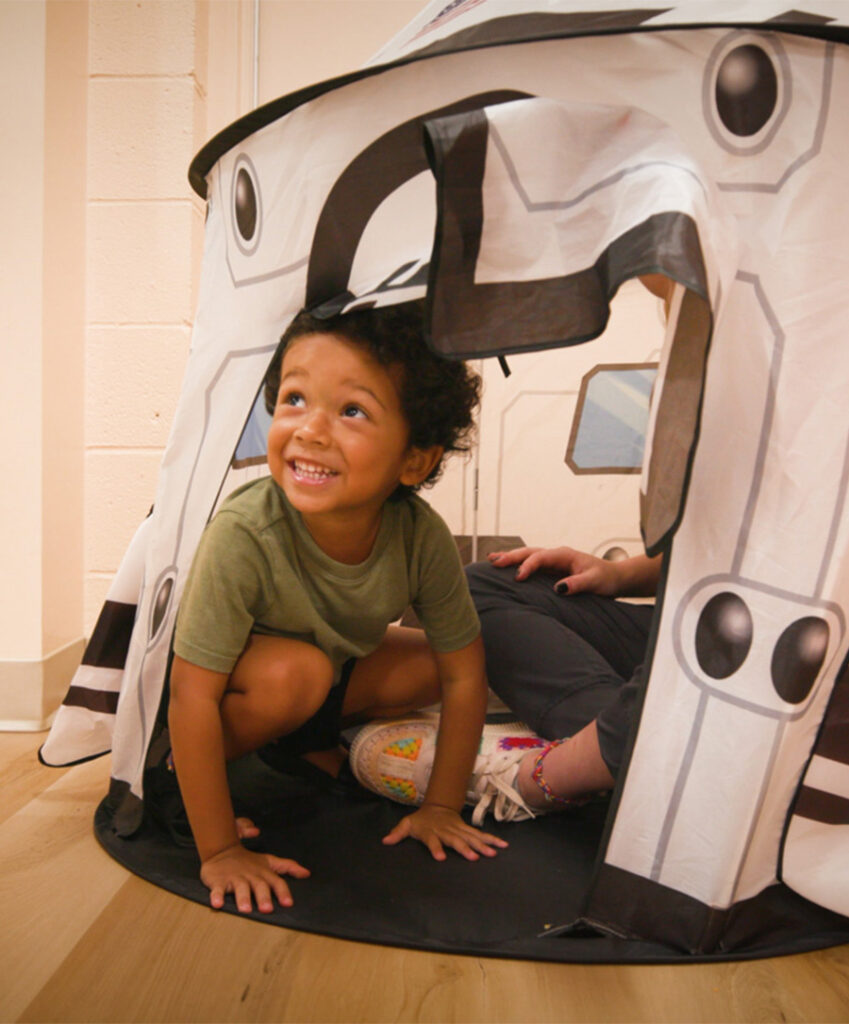

Navigating Sensory Overload During Spooky Season: Real-Life Wisdom from Family Faculty
By Leidy Garcia and Genesis Vargas
Spooky season brings pumpkin patches, colorful costumes, and crisp autumn air—but for families navigating sensory differences, it also comes with flashing lights, sudden noises, and overwhelming crowds. At Children’s Specialized ABA, our Family Faculty members are parents who walk in your shoes every day. We’ve been through the overwhelming nights, the sudden meltdowns, and the pressure of trying to make holidays look “normal.”
Over time, we’ve learned that the secret to enjoying Halloween isn’t forcing traditional expectations. It’s shaping the season around what makes our kids feel safe, heard, and happy. Here is our heart-to-heart guide on navigating sensory overload, straight from our families to yours.
Prepare Early & Protect Your Child’s Peace
Getting ready for Halloween starts long before the sun goes down on October 31st. Building predictability early gives children a sense of control over an evening that can otherwise feel unpredictable.
Talking about Halloween weeks in advance sets a calm foundation. Using visual schedules, social stories, or short videos of other children trick-or-treating breaks the evening down into simple, easy-to-understand steps. Involving your child in choosing their costume and deciding how they want to participate gives them an active voice. When visiting seasonal events like pumpkin patches or neighborhood walks, we make sure our kids know they always have choices: if a crowd feels too big, they can step to a quieter area, enjoy a snack, or decide to head home. Honoring their voice builds trust and helps them feel in control of the experience rather than forced into it.
Other times, protecting your child’s peace means creating a whole new routine. Skipping crowded main streets in favor of quiet daylight walks right after school lets kids collect treats when energy is calm and visibility is high. Picking a specific street block as a clear return point creates a predictable finish line so everyone knows what to expect before even stepping out the door.
Comfort Always Wins Over Tradition
Few things trigger a sensory wall faster than itchy tags, stiff polyester, or restrictive masks. In our homes, we’ve learned to ditch traditional costume standards in favor of absolute sensory comfort.
Every child’s sensory threshold is unique, even among siblings. For a child who is sensitive to loose threads, lace, or tags, soft cotton onesies or tagless performance fabrics make fantastic base costumes. Inspecting garments inside-out to cut off tags and snip stray threads saves a world of distress. For others, skipping full-face masks or tight outfits altogether keeps movement free and easy.
When a child says a fabric feels “funny,” we listen. Using words like “funny” or “uncomfortable” normalizes what their body is experiencing without making them feel like something is wrong with them. Your child’s body is giving you useful information, and trusting those signals is far more important than wearing a picture-perfect costume.
When the World Gets Too Loud
Even with careful planning, unexpected triggers happen. Carrying a toolkit of soothing items like small toy cars to spin in their hands, noise-canceling headphones, or a favorite comforting video on your phone gives your child an immediate anchor when the world gets too loud.
Anticipating triggers is key. Scanning the sidewalk ahead lets you give your child a gentle heads-up before passing a house with loud sounds or flashing lights. Taking scenic detours down quieter side streets avoids dense crowds, and offering music or a fun video can gently pull their attention away from background noise.
Deciding when to call it a night is one of the most important skills we learn as parents. Often, a child’s body language tells the real story long before their words do. Rigid shoulders, darting eyes, or subtle facial shifts are clear signs that their sensory tank is empty, even if they insist they aren’t tired. Trusting what you see in your child and heading home early before a full sensory burnout occurs is a major victory, not a failure.
Real Talk: A Heart-to-Heart with Our Family Faculty
If we could pull up a chair right now, sit beside you, and take your hands, especially if you are navigating a fresh diagnosis and feeling the heavy, quiet weight of “what now?”, here is what we want you to know, mother-to-mother:
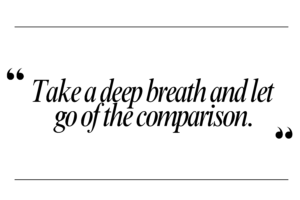
To every parent reading this: wherever you are on this journey today, take a deep breath. You don’t have to have it all figured out tonight. Step by step, you and your child are finding your way together, and we are right here cheering you on.
About Children's Specialized ABA
Children’s Specialized ABA provides comprehensive, whole-child autism care across New Jersey, Maryland, North Carolina, and Arizona. In partnership with RWJBarnabas Health, our mission is to provide a safe, nurturing space that empowers children on the autism spectrum to reach their full potential and thrive in their everyday lives.