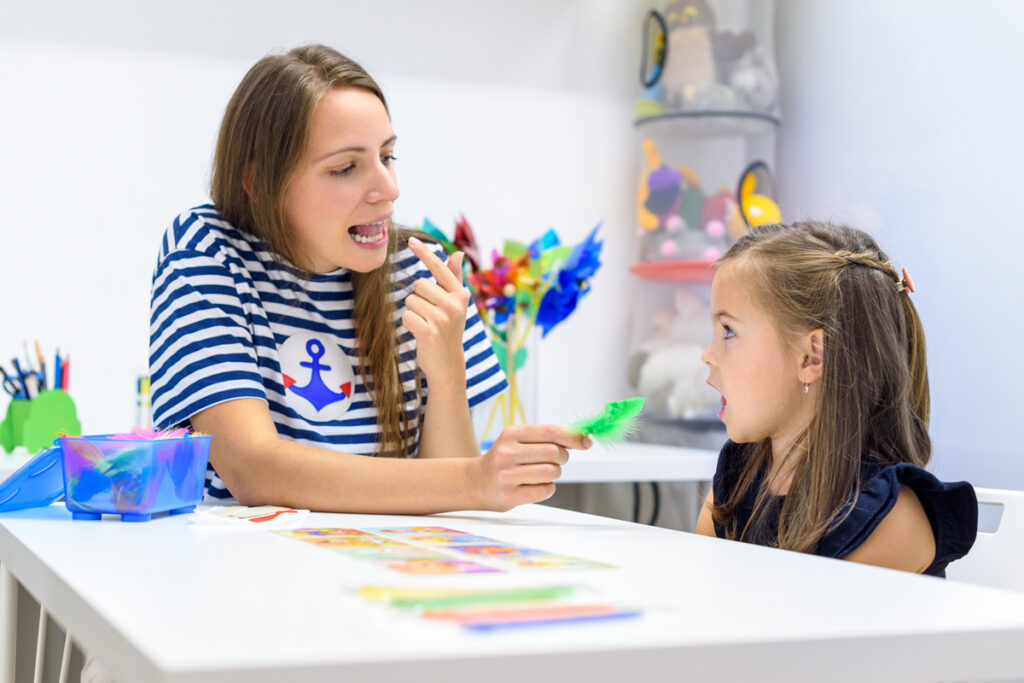
Navigating an autism diagnosis for your child can feel overwhelming, but early intervention Applied Behavior Analysis (ABA) provides a clear path forward. It gives parents the confidence that they are providing the best foundation for the milestones that matter most. Starting as early as possible makes a profound difference, giving your child skills for a lifetime.
What is early intervention ABA therapy?
Early intervention ABA therapy provides a structured, supportive environment that helps your toddler or preschooler learn communication, social, and daily living skills. These programs are uniquely designed to embrace your child’s early development, at a time when their brain is most receptive to learning.
ABA focuses on understanding why a behavior is happening and teaching positive, helpful skills in its place. A behavior analyst will create an individualized plan to meet your child’s specific goals after completing a detailed assessment.
Many families see early progress in skills such as:
- Communicating with gestures, sounds, or simple words
- Playing alongside or with other children
- Following short, familiar daily routines
- Developing social behaviors that support friendships
These small steps often build confidence and make daily interactions feel easier for your child and family.
Importance of starting ABA therapy early
Research shows that starting early intervention when your child is two or three years old can lead to long-term positive outcomes. According to the Douglass Developmental Disabilities Center (DDDC) at Rutgers University, the earlier a child with autism begins services at a high-quality ABA program (like at Children’s Specialized ABA), the better their long-term outcomes are likely to be. Early support maximizes the benefits of this period of development to build strong foundations for your child’s later learning.
Early intervention builds a bridge toward greater independence with compounding benefits:
- Reducing frustration: Helping with more effective communication skills
- School readiness: Building social and sensory tolerance skills for school, home, and in the community
- Building autonomy: Gaining confidence in daily living skills and simple routines
How early intervention supports better outcomes
Early ABA therapy does more than teach isolated tasks; it creates a meaningful difference in how your child interacts with their world. By focusing on these core areas, we help bridge the gap between clinical goals and everyday moments to meet the milestones that matter.
Developing social skills and connections
Beyond just “playing,” early intervention helps your child understand the nuances of social interaction. This includes learning to take turns, sharing interests with others, and developing the foundational behaviors that lead to lasting friendships.
Improving functional communication
At Children’s Specialized ABA, our therapists focus on giving your child the tools they need to express their wants and needs. While ABA builds the behavioral foundation for communication, many children also benefit from specialized speech therapy to refine articulation and language processing. Together, these supports ensure your child has both the motivation and the technical skills to communicate effectively through gestures, sounds, or words.
Encouraging positive behavior changes
By using positive reinforcement, we help your child replace challenging behaviors with helpful, adaptive skills. This approach does more than just manage behavior in the moment; it teaches your child how to navigate school, home, and community settings with more confidence and ease.
What goes into an effective ABA therapy program for early intervention?
A strong early intervention plan includes several key parts:
- A detailed assessment by a licensed psychologist to identify your child’s unique strengths and needs.
- Collaboration with a Board-Certified Behavior Analyst (BCBA) and trained technicians to create an individualized treatment plan.
- Ongoing data collection to ensure progress is tracked, and the plan is adjusted as your child grows.
- Positive reinforcement tailored specifically to your child’s unique interests and motivators.
Supporting your child’s ABA therapy at home and in the center
Children’s Specialized ABA believes in giving families a voice through meaningful connections. Family participation is the heartbeat of a successful program, as it helps your child generalize new skills in the real world. We offer personalized support and resources for our community of families to support each other’s learning in simple and natural ways.
We’re ready to support your family through early intervention ABA therapy
Early ABA therapy gives young children the chance to build communication, social, and daily living skills during an important stage of development. When support begins early, children often gain confidence, learn new skills more easily, and feel more prepared for future routines at home and in school.
Starting the journey of early intervention is a significant step, but you don’t have to navigate it alone. By focusing on the milestones that matter most to your family, we can help your child build a brighter future together. Contact Children’s Specialized ABA to learn more about our early intervention ABA programs and how we can support your child’s unique path forward.
Frequently asked questions (FAQ) about early intervention ABA therapy
What is early intervention in ABA therapy?
Early intervention in ABA therapy refers to starting structured support during the toddler and preschool years to help children develop communication, social skills, and daily living skills.
What are the ABA strategies for early intervention?
Common strategies include positive reinforcement, discrete trial training, natural environment teaching, modeling, and structured play.
What are the four steps of ABA?
ABA typically includes four main steps: assessment, planning, implementation, and evaluation.
Read more FAQs about Children’s Specialized ABA and how we can help you and your child build brighter futures together.