Comprehensive ABA involves 30 to 40 hours of therapy per week for children needing support across multiple developmental areas, while focused ABA targets specific skills for 10 to 25 hours per week. Choosing the right path depends on your child’s age, the severity of symptoms, and the specific functional goals your family hopes to achieve.
Understanding the Key Differences in Intensity and Scope
Choosing between these two models is a significant decision for any parent. The primary distinction lies in the breadth of the intervention and the total time dedicated to therapy each week. When families begin exploring ABA therapy for children in Phoenix, they often feel overwhelmed by the time commitment required for comprehensive programs. However, these hours are not spent in a rigid school setting but in a structured, play-based environment designed to maximize learning during every interaction.
| Feature | Comprehensive ABA | Focused ABA |
| Weekly Hours | 30 to 40 Hours | 10 to 25 Hours |
| Primary Goal | Closing global developmental gaps | Mastering specific skill sets |
| Ideal Candidate | Young children (Early Intervention) | Older children or those with specific needs |
| Scope | Communication, Social, Self-Care, Academic | Behavioral reduction or targeted skills |
| Duration | Long-term (typically 1 to 3 years) | Short term (typically 3 to 12 months) |
Comprehensive ABA is often referred to as Early Intensive Behavioral Intervention (EIBI), which is designed to help a child reach developmental milestones alongside their neurotypical peers. In contrast, focused ABA is a targeted approach that addresses a narrow range of behaviors preventing a child from succeeding in school or at home. During a recent intake for a family in Arcadia, we discussed how their child had mastered most social skills but struggled specifically with safety awareness in public spaces, making a focused approach the most effective choice.
Choosing Based on Your Child’s Age and Needs
The right path is about what is most appropriate for your child’s current developmental stage. Clinical recommendations are based on a thorough assessment of current abilities and the barriers to independence. When parents look for autism therapy for children in Phoenix, they usually fall into categories that help determine the necessary intensity.
For children between the ages of 2 and 5, comprehensive ABA is almost always the gold standard because the brain is highly plastic at this age. Intensive therapy can make the difference between a child needing lifelong support or achieving high levels of independence later in life. If a child is older and already attending a traditional school, they may only need focused ABA to work on social skills or managing frustration during transitions.
Sometimes a family in Desert Ridge comes to us because a specific behavior, like aggression or self-injury, has become a safety concern. Focused ABA is used here to identify the function of that behavior and replace it with a safer way to communicate. The goal is to provide a “dosage” of therapy that solves the immediate problem without causing burnout for the child or the family.
Applying our Children’s Specialized ABA to Solve This
Our proprietary Children’s Specialized ABA is a holistic system that provides Applied Behavior Analysis (ABA) therapy and autism support services for children. We believe that therapy should never be a one-size-fits-all experience, which is why our programs are designed to improve communication, social skills, and learning abilities through a lens of compassion. Under this model, services are tailored to meet each child’s unique developmental needs and goals while focusing on multiple areas of development.
We don’t just look at a behavior in isolation; we look at the child’s sensory needs, family dynamics, and physical health. To accommodate the busy lives of families, we offer center-based ABA therapy for a structured environment for learning and social interaction, as well as home-based ABA therapy. Utilizing ABA therapy for children in Phoenix, AZ, in a home setting is often crucial for focused goals like toilet training, bedtime routines, or mealtime behaviors.
Our organization provides integrated support, including speech therapy services and occupational therapy, to support daily living and motor skills. This multidisciplinary approach is part of why we operate in multiple states across the United States. Our clinic also provides autism diagnostic evaluations to help families receive proper diagnoses and start their “Your Milestones, Our Passion” journey as early as possible.
We are committed to the long-term success of the community by providing family resources and autism support information for parents and caregivers. This includes autism education materials, community events, and support tools to ensure families feel empowered. Everything we do is driven by a mission that focuses on empowering children with autism to achieve developmental milestones through interactive learning and socialization.

Debunking the Myth of Constant High Intensity
A common misconception is that if a child is not doing 40 hours of ABA a week, they are not getting real therapy. While research supports the efficacy of intensive intervention, the right number of hours is actually the minimum amount required to see meaningful progress. Forcing a child into an intensive schedule when they only have limited learning stamina can lead to prompt dependency or a negative association with the learning process.
During an audit for a family in North Mountain, we found that a child was regressing because they were overstimulated by a 35-hour schedule. By shifting to a focused, 15-hour model that allowed for more rest and family time, the child’s progress actually accelerated. The quality of intervention and the precision of the clinical programming are far more important than the total number of hours spent in a clinic.
Finding a balance that supports the child without overwhelming the family unit is essential when selecting autism therapy for children in Phoenix, AZ. A successful program should feel like a support system rather than a burden. Parents should consider the child’s daily routine, identify top priorities, and evaluate how much time can realistically be dedicated to generalizing skills at home.
People Also Ask (FAQ)
Can you switch from Comprehensive to Focused ABA?
Yes. Most children start with a comprehensive program during their early years and slowly transition to a focused model as they gain skills and begin attending school. This step-down process is a sign of clinical success.
Is comprehensive ABA too much for a three-year-old?
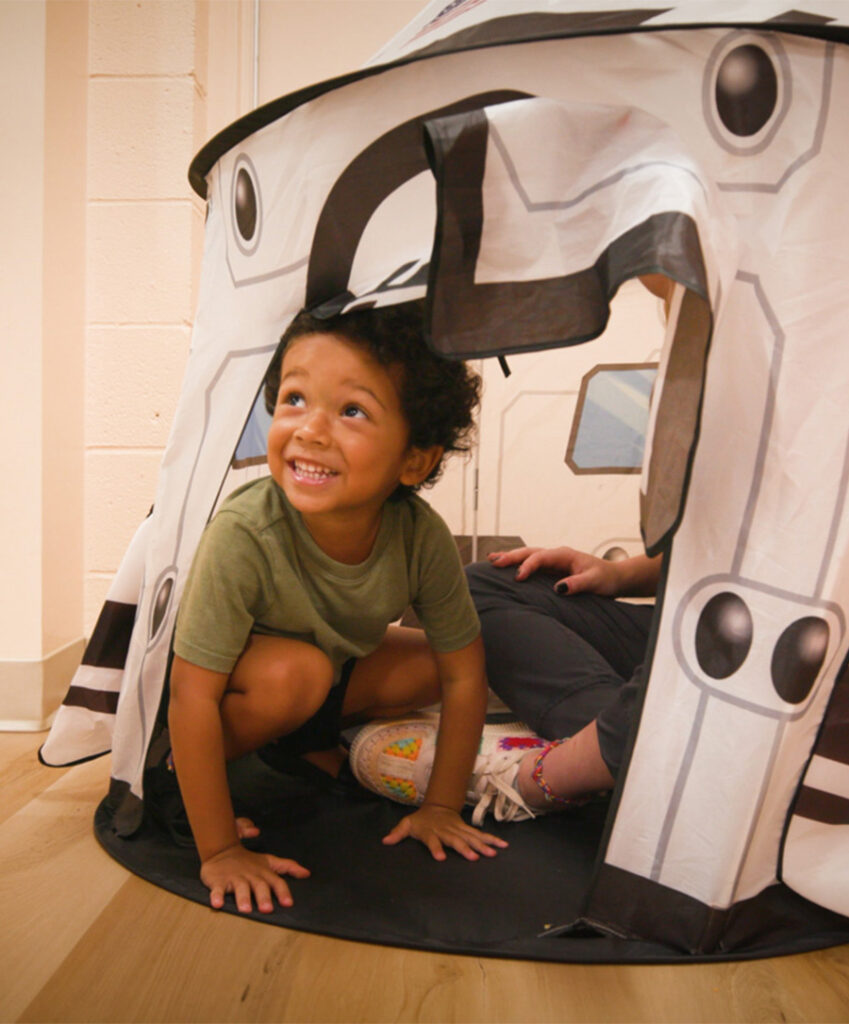
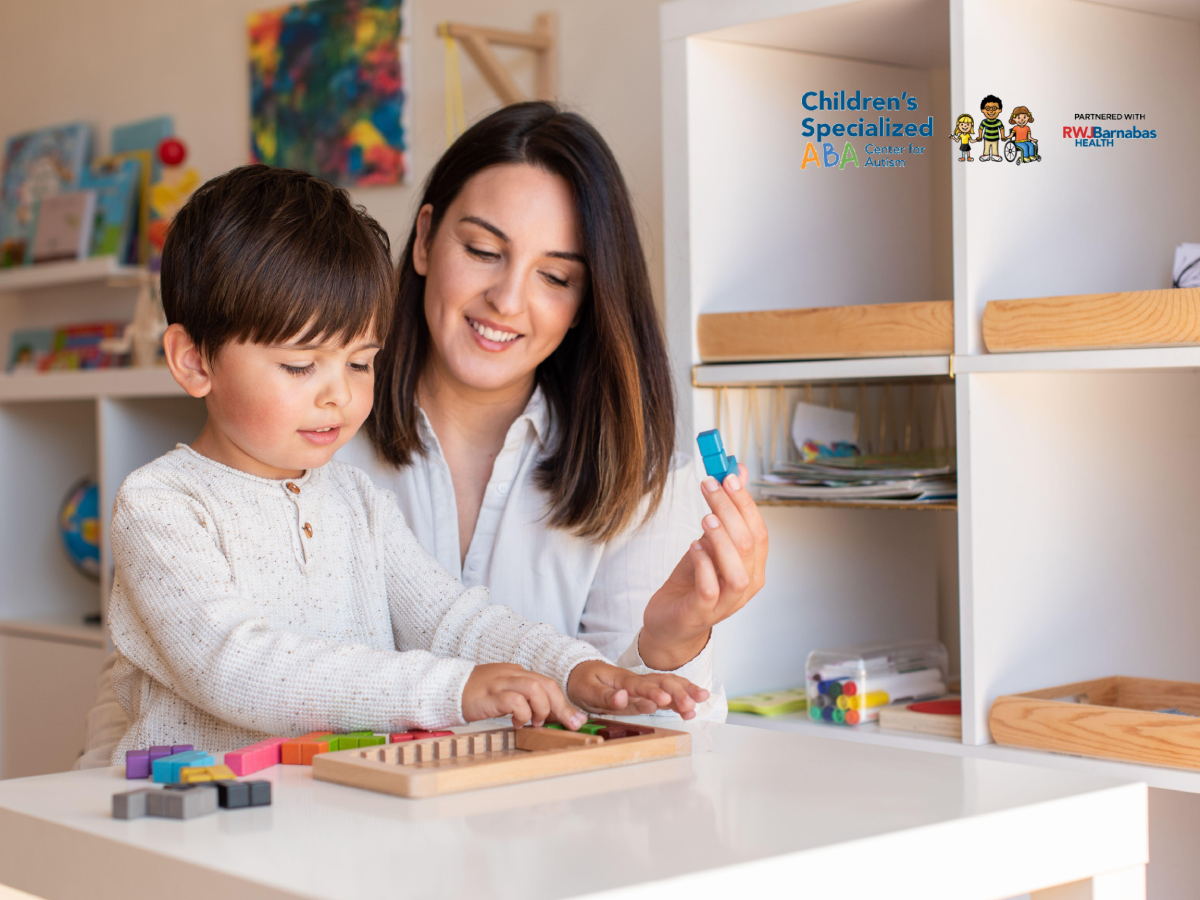
When done correctly, comprehensive ABA for a toddler looks like play. Therapists use toys, games, and outdoor activities to teach skills, ensuring the child feels they are in a fun, engaged playdate rather than a clinical setting.
Does insurance cover both types of ABA?
Most insurance providers cover both comprehensive and focused ABA, provided they are deemed medically necessary by a BCBA and a physician. We work closely with families to ensure they understand and maximize their available benefits.
How do I know if the current hour intensity is working?
Progress is tracked through daily data collection. You should see a steady increase in positive skills and a decrease in challenging behaviors. If the data is flat for several weeks, the intensity or the clinical approach may need adjustment.
Empowering Your Family’s Future
At Children’s Specialized ABA, we are a compassionate and family-focused partner. We strive to be a trusted and empathetic guide throughout the journey of families affected by autism. We are here to empower families with the tools they need for success because we believe in the power of individualized, evidence-based care.
We are committed to working collaboratively with you to understand the unique needs of your child. Our core belief is that every child deserves the opportunity to thrive, and we work tirelessly to ensure that they receive the best support possible. We want you to feel empowered and hopeful about your child’s future, knowing that you have a committed partner in us.
Our personalized therapy adapts to your child’s unique learning style through both center-based and home-based therapy options. Our team of skilled, board-certified behavior analysts is committed to delivering high-quality, compassionate care that makes a real difference. We understand that families seek reliable and personalized services, and we are dedicated to helping your child reach their next big milestone.
Take the next step in your child’s journey. We encourage you to reach out and schedule an evaluation or consultation today. Contact us to learn more about our services and receive personalized guidance and support tailored to your child’s needs.